Water Damage Restoration Compton, CA
24/7 water damage restoration in Compton, CA. Slab leak, burst pipe or a flooded apartment, the restoration team extracts the water, dries the structure to the IICRC S500 standard and documents every step for your insurance claim.
(888) 563-9619Water still spreading? Call the Hub City crew- Round-the-clock dispatch
- IICRC S500 drying goal
- Truck-mounted extraction
- Daily moisture readings
What to do while the water is still moving
Five moves that limit the damage before the extraction crew gets to work.
- 1
Shut the water off at the fixture valve or the main shutoff.
- 2
Kill power to wet circuits, only if the breaker panel is dry.
- 3
Stay out of standing water near outlets and appliances.
- 4
Photograph every wet room before anything is moved.
- 5
Lift rugs, cords and boxes off the floor, then call.
Wet drywall and carpet pad can start growing mold within 24 to 48 hours, so drying should begin as soon as the water is stopped.
Water Damage Restoration Services in Compton, CA
From the first extraction pass to the final moisture reading, fourteen water and sewage services built around how Compton homes and buildings actually get wet.
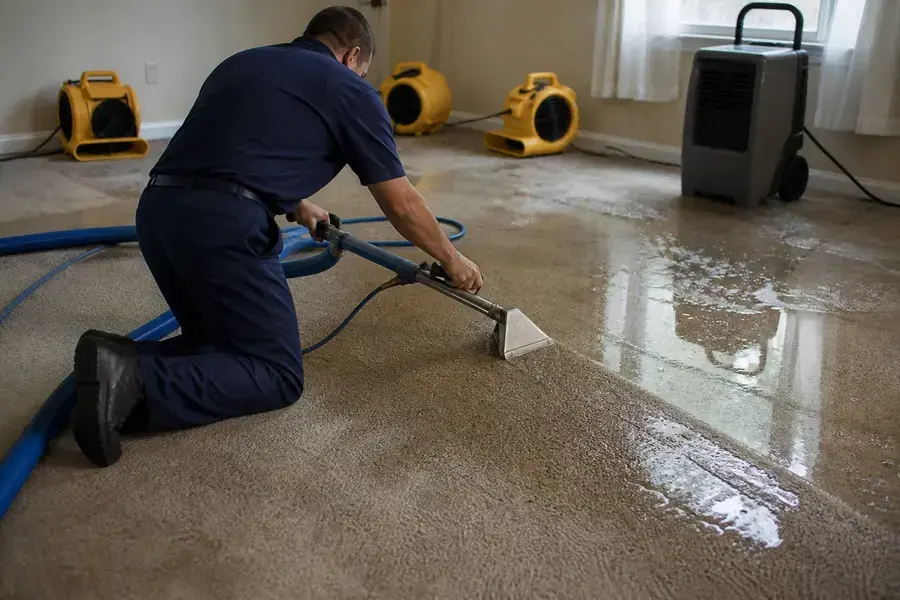
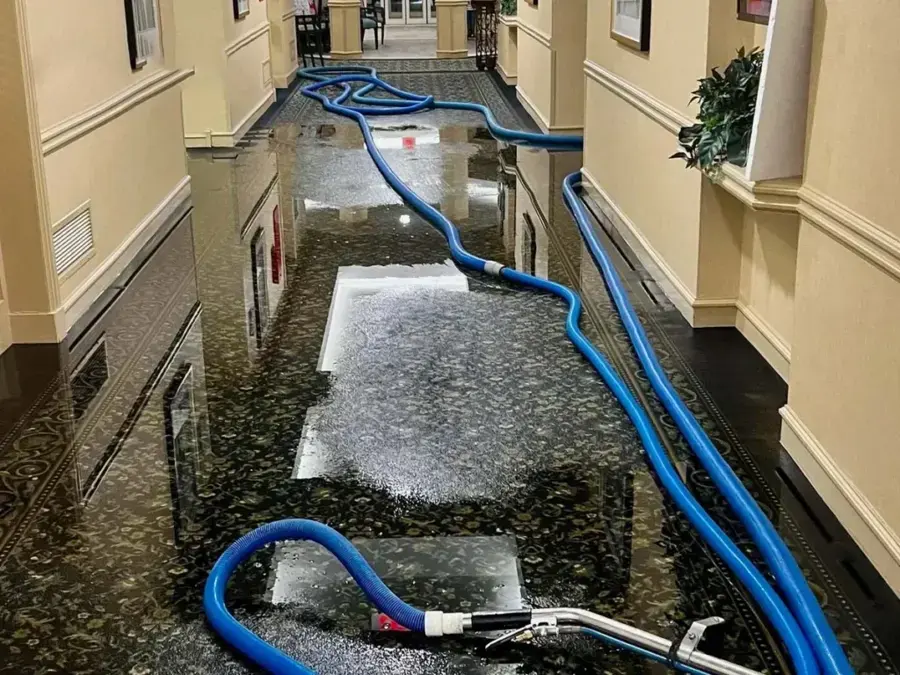 Water Extraction and RemovalTruck-mounted pump-out of standing water, the first move on every loss.
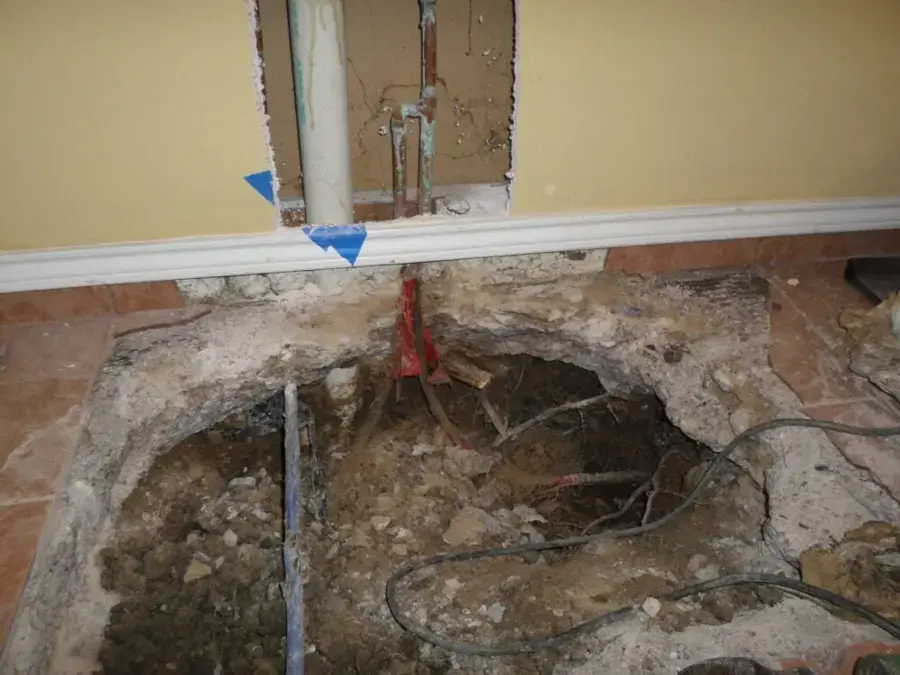 Slab Leak Water DamageHot spots, wet grout and a running meter: the slab leak dry-out.
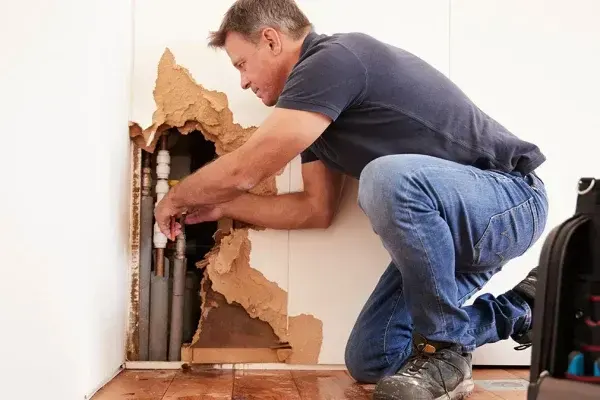 Burst Pipe CleanupA split supply line flooding rooms, extracted and dried inside the walls.
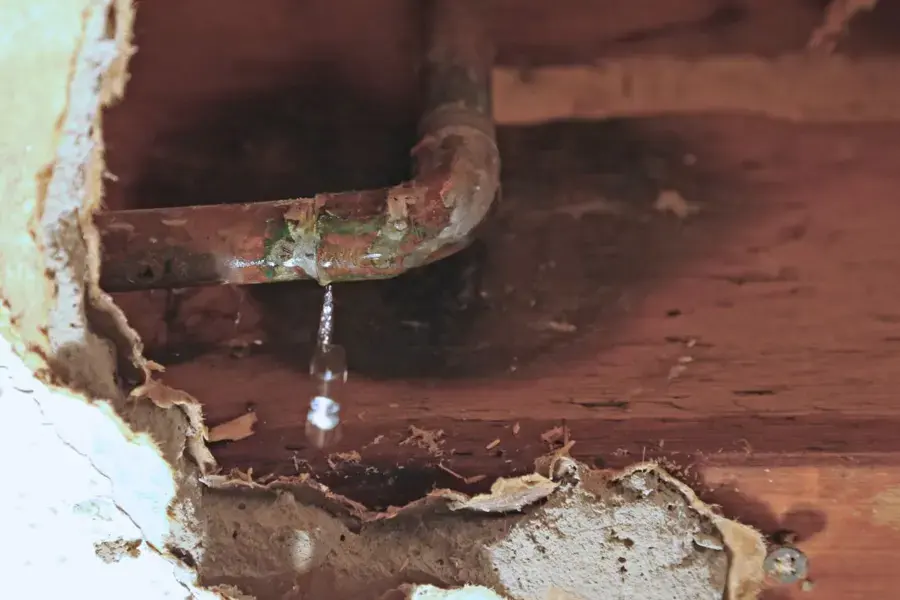 Corroded Pipe Leak Water DamageOld galvanized and pinhole copper leaks traced and dried.
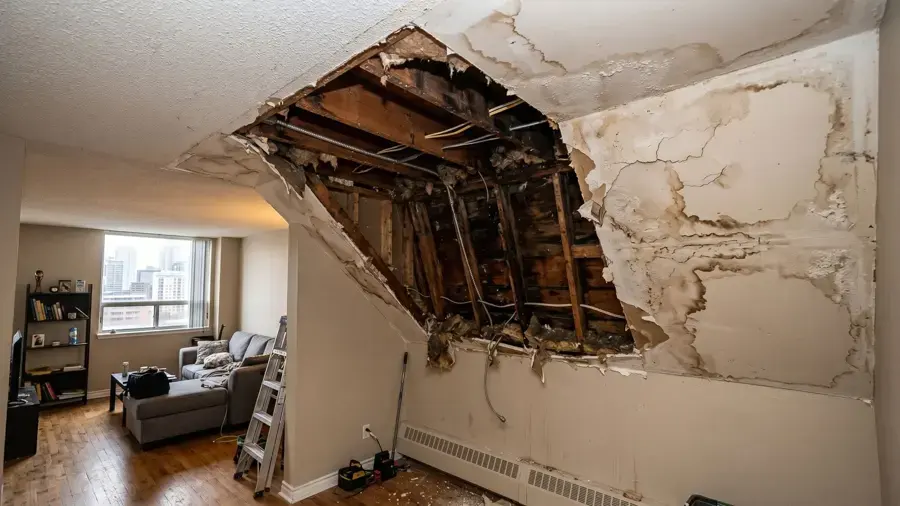 Apartment and Multi-Unit Water DamageUnit-above leaks and shared walls, dried and documented unit by unit.
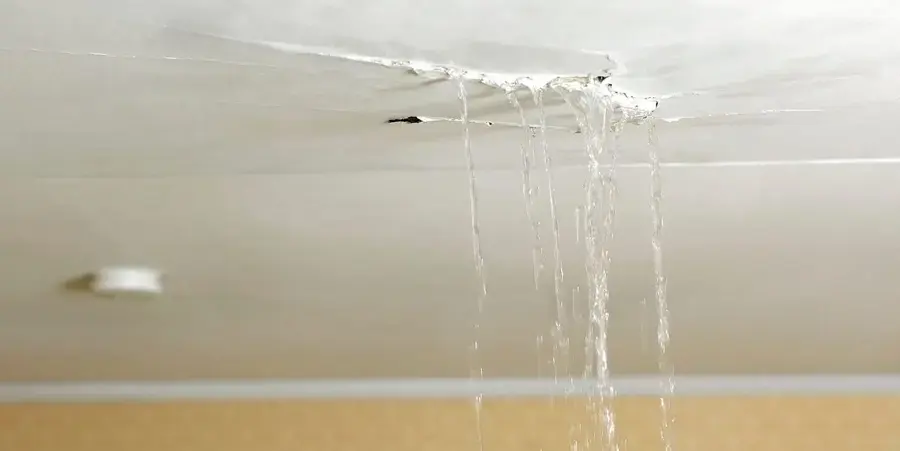 Ceiling Leak Water DamageSagging, stained or dripping ceilings from a bath or unit above.
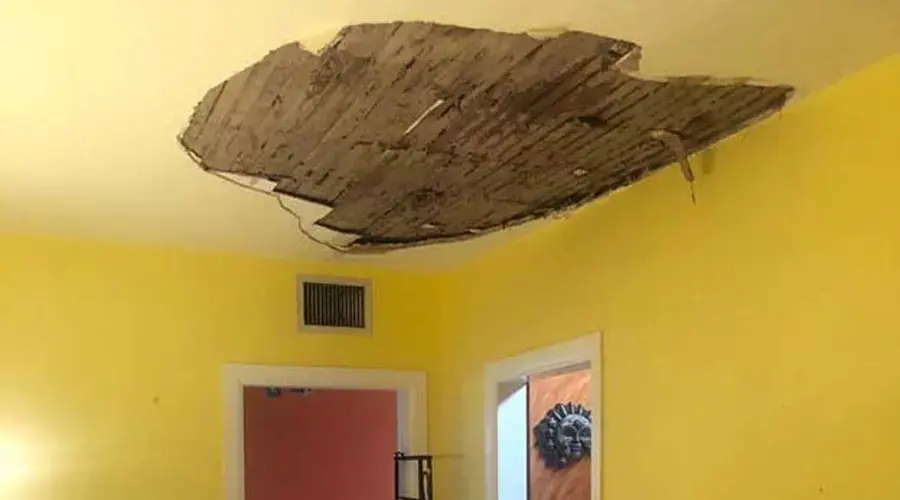 Roof Leak Water DamageWinter storm water through the roof, attic and ceiling, dried out.
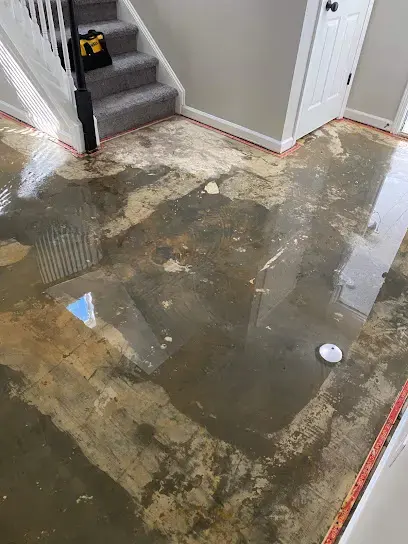 Storm and Street Flooding CleanupPonding rain and backed-up storm drains pulled out and dried.
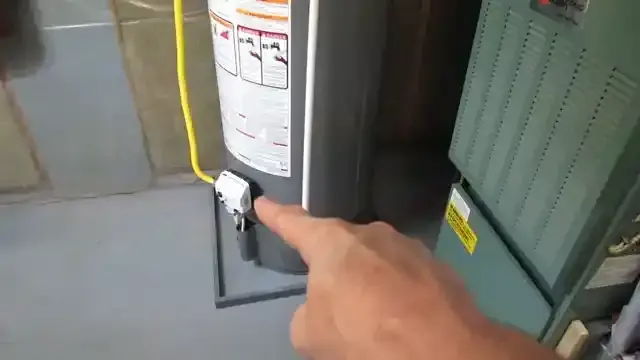 Water Heater Leak CleanupGarage and closet tank failures extracted before the slab soaks.
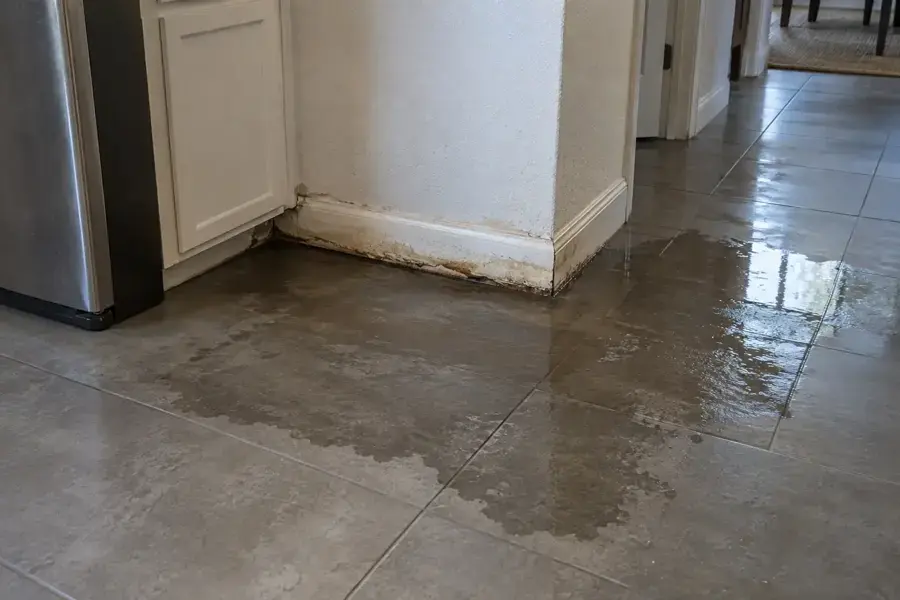 Appliance and Supply Line Leak CleanupWasher, dishwasher, fridge and toilet line leaks cleaned up.
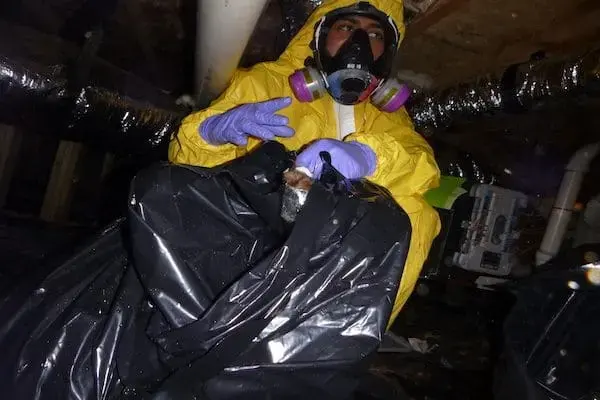 Crawl Space Water DamageWater under raised wood floors pumped out and dried from below.
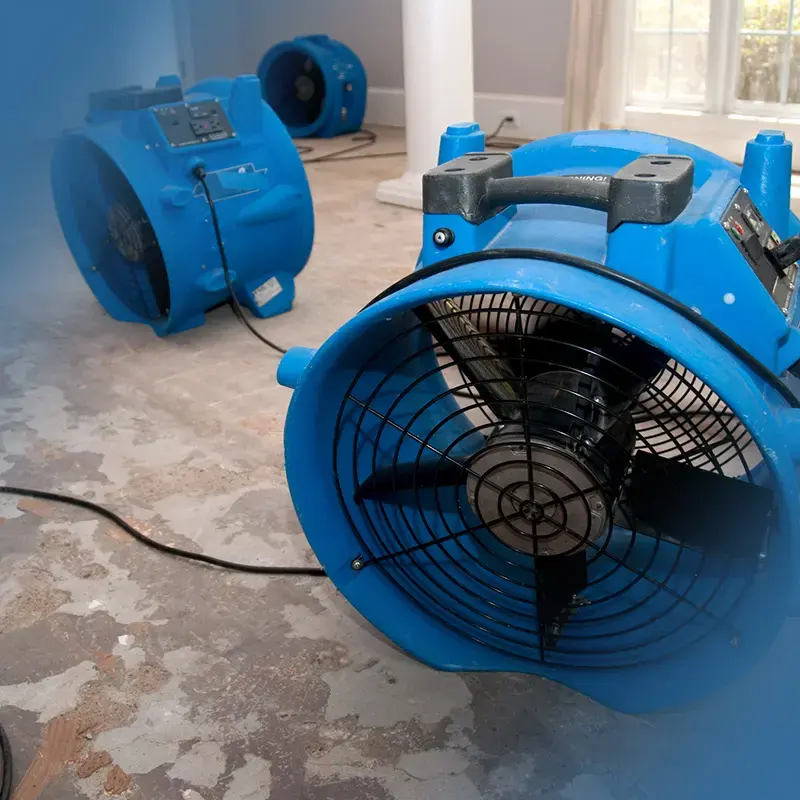 Structural Drying and DehumidificationFraming, subfloor and wall cavities dried to a verified reading.
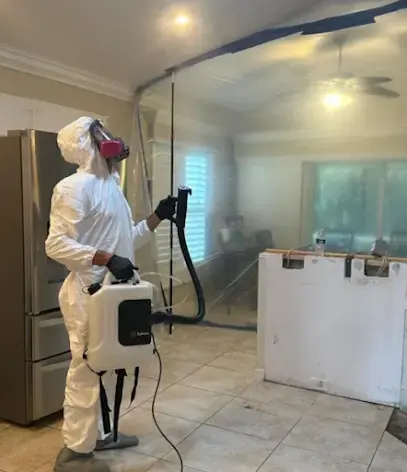 Sewage Backup CleanupCategory 3 backups contained, removed and disinfected safely.
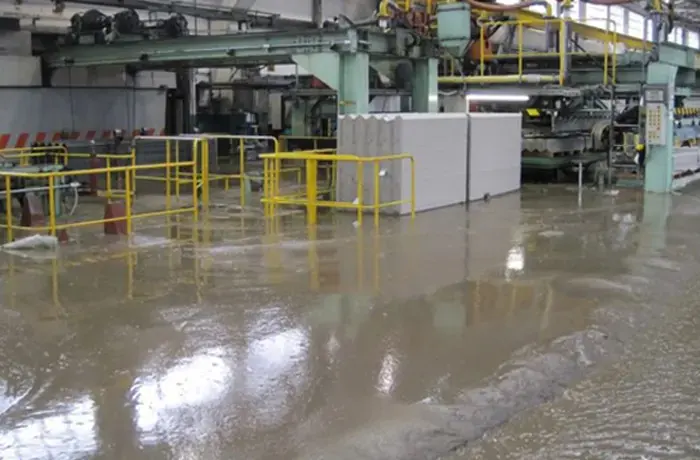 Commercial Water DamageShops, offices and warehouses dried with the doors kept open.
Not sure which one fits?Describe the Compton water damage(888) 563-9619A local pro on the line picks the right service
Water damage dried to the IICRC S500 standard
What separates a finished dry-out from a cosmetic one is the order of the work.
- 01
Map the moisture
The tech who does the walkthrough maps moisture with a pinless meter and thermal imaging before any equipment goes down, so the plan matches what is actually wet.
- 02
Extract the water
The extraction crew pulls standing water with truck-mounted extraction so it leaves the building instead of wicking into the next room.
- 03
Dry the structure
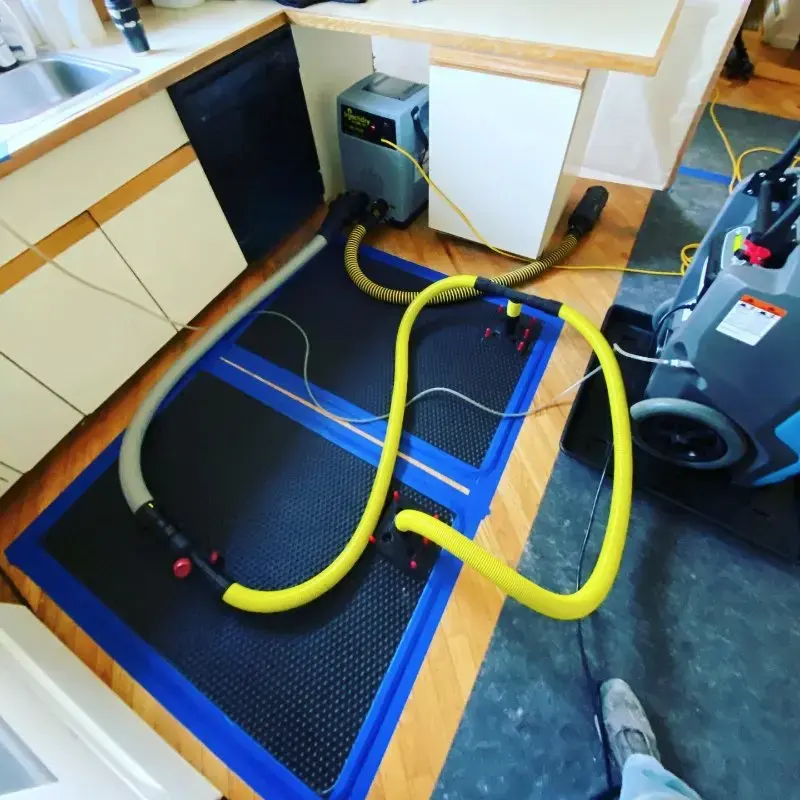
The drying team sets air movers to the evaporation load of each room and runs LGR dehumidifiers, with desiccants for dense Class 4 materials.
- 04
Verify and document
Readings are logged daily, and the equipment comes out only when wet materials sit within 2 to 4 points of a dry reference in the same building.
What the Compton restoration team brings to a water loss
Rapid local response
Crews dispatch day or night across Compton and the neighboring cities, so extraction starts while the water is still on the surface.
IICRC S500 drying standard
Structural drying, not just surface drying, with equipment that stays until the readings say dry.
Claim-ready documentation
Moisture maps, daily drying logs and timestamped photos taken before any demolition.
Compton water experts
Slab leaks, galvanized lines, courtyard apartments and winter storm ponding are the losses the team sees most here.
All water damage categories covered in Compton, CA
Category 1, 2 and 3 water are handled differently, and the category decides what is dried and what is removed.
Clean water
A supply line, a slab leak or a water heater. Extracted and dried in place when drying starts quickly.
Gray water
A washer, a dishwasher or a toilet overflow. Some contamination, so soaked pad and porous materials are cleaned or pulled.
Black water
Sewage and storm water from the street. Porous materials it touched get removed, not dried. Sewage backup cleanup
Drying timeline and the drying goal
A contained loss usually dries in three to five days. Hardwood, plaster and concrete slabs take longer.
- Day one: extract and map
Standing water comes out and the moisture map shows every wet wall, floor and cavity.
- Middle days: daily readings
The drying team reads the materials each day and moves air movers and dehumidifiers as areas dry.
- Dry: the readings match
Equipment leaves when wet materials read within 2 to 4 points of a dry reference, not on a schedule.
What does water damage restoration cost in Compton, CA?
In Compton, CA, water damage restoration typically runs $1,000 to $8,000 or more. The drivers are the water category, the square footage that got wet, the material class (drywall dries faster than hardwood or a slab) and how fast drying started.
Contained loss
- Clean water, one or two rooms
- Extraction and moisture map
- Air movers and LGR units
Multi-room or slab leak
- Walls, cabinets or flooring affected
- Baseboard and flooring removal
- Daily readings
Category 3 or wide loss
- Sewage or storm water
- Porous material removal
- Antimicrobial and full drying
Want a closer number? Run the Compton water damage cost calculator. Suspect a leak under the floor? Try the slab leak warning check.
Documentation for your insurance claim
A water claim is decided on the file, not on the phone call. Sudden and accidental discharge, a burst supply line for example, is treated differently from rising surface water, which falls under flood coverage.
Coverage depends on your policy, so it is worth checking with your own insurer. Ask the restoration contractor who responds what documentation comes with the job.
- The moisture map from day one
- Daily psychrometric logs and material readings
- Timestamped photos taken before any demolition
- The category and class of the loss
- A line-item scope in the Xactimate-style format adjusters expect
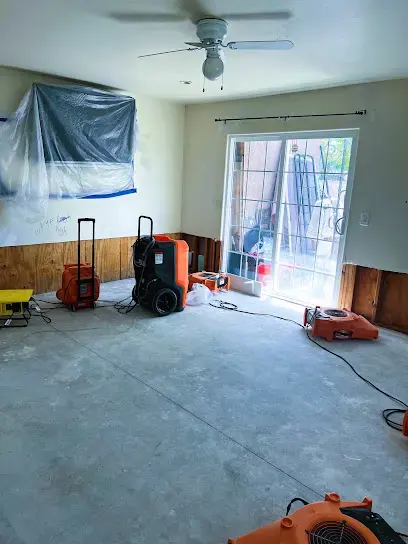
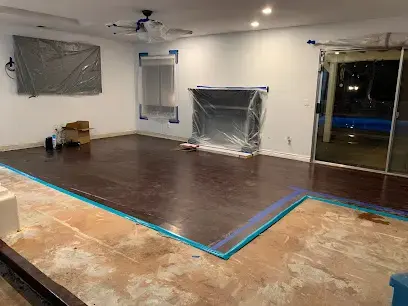
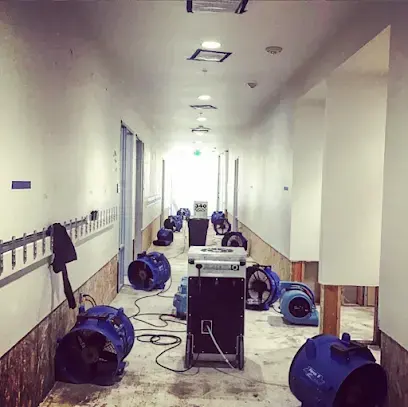
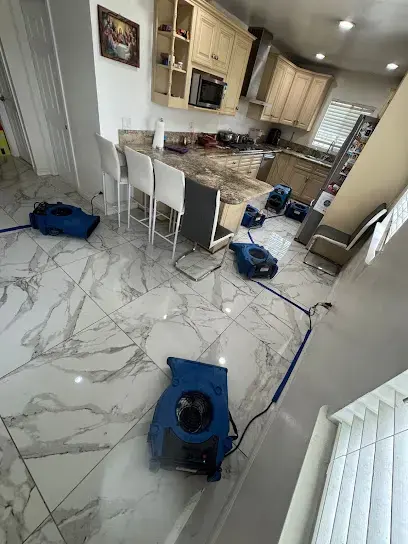
What a water damage dry-out looks like in Compton
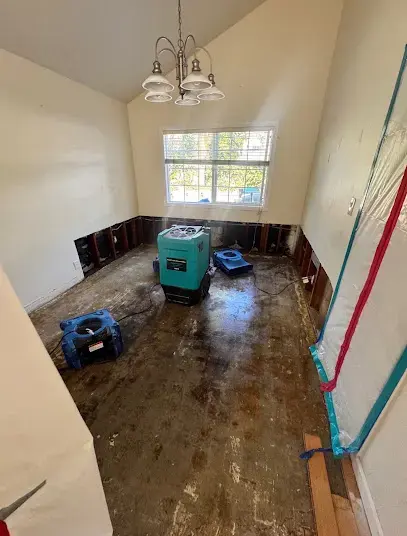
One call reaches Compton water damage pros, 24/7
The restoration team covers Compton block by block and the neighboring cities on every side.
Compton ZIP codes covered
Nearby coverage runs into Lynwood, Paramount, Carson, Gardena, Willowbrook, Rancho Dominguez, North Long Beach, Bellflower and South Gate.
Find us on GoogleWest Compton and Richland Farms
Central Compton and Downtown
East Compton and the river side
North edge
South edge toward Long Beach
- Housing era
- 1920s to 1960s bungalows and ranch homes, 1960s to 1980s apartments
- Foundations
- Concrete slabs and raised wood floors over short crawl spaces
- Storm season
- December to March, when atmospheric rivers arrive
- Water features
- Compton Creek channel and the Los Angeles River
Water damage in Compton, CA: the local risk profile
Compton sits on the flat Los Angeles coastal plain between Compton Creek and the Los Angeles River, and most of its homes went up between the 1920s and the 1960s. That mix drives the losses here.
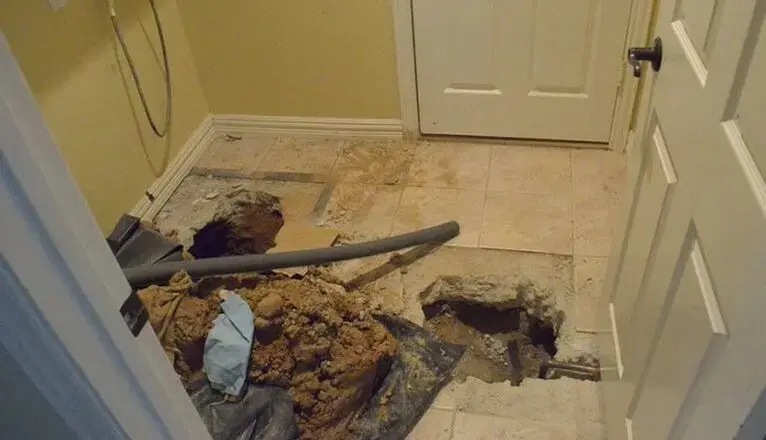
- Slab leaks: copper lines in or under post-war slabs wear pinholes from hard water and soil movement.
- Galvanized pipe: pre-1960 supply lines rust from the inside and weep at threaded joints.
- Apartments: garden and courtyard buildings send one unit's leak into the ceiling below.
- Sewer laterals: old clay lines crack at the joints where tree roots push in.
- Winter storms: December to March atmospheric rivers pond on paved lots and back up storm drains.
Compton water damage questions
How fast does water damage get worse?
Within the first hours water wicks up drywall, soaks carpet pad and spreads under flooring. Wet drywall and wood can start growing mold within 24 to 48 hours, so extraction and drying should start as soon as the source is shut off.
What should I do first when water is spreading?
Shut the water off at the main or the fixture valve, switch off wet circuits if the breaker panel is dry, stay out of standing water near outlets, photograph the damage, then lift rugs and belongings off the floor and call.
Is water damage covered by insurance in California?
Sudden and accidental water damage, such as a burst supply line, is commonly covered by a homeowners policy after the deductible. Rising surface water is usually a flood policy matter, and slow leaks are often excluded. Coverage depends on your policy, so it is worth checking with your own insurer.
What causes most water damage in Compton?
Slab leaks in copper lines under post-war slabs, corroded galvanized pipes in older homes, leaks between apartment units, water heater failures, sewer laterals cracked by roots and ponding during winter storms.
How long does drying take?
A contained Class 1 loss usually dries in three to five days. Hardwood, plaster and concrete slabs take longer. The equipment comes out when the readings reach the drying goal, not on a set date.
What is IICRC S500?
IICRC S500 is the industry standard for professional water damage restoration. It covers how losses are classified by category and class, how structures are dried and how dryness is verified.
What is the difference between mitigation and repair?
Mitigation stops the damage: extraction, removal of ruined materials and drying. Repair, such as new drywall, paint and flooring, is a separate phase that starts after the structure is dry.
When does drywall have to come out?
When it was touched by Category 3 water, when it is soft or crumbling, when insulation behind it is soaked, or when readings show the cavity will not dry by venting alone.
Why is sewage handled differently?
Sewage is Category 3 the moment it happens. It needs containment, protective gear, removal of porous materials it touched and an EPA-registered antimicrobial, not just extraction and drying.
How is the cost of water damage restoration worked out?
By the water category, the square footage that got wet, the material class and how fast drying started. Most restoration companies price it line by line in an insurance-style estimate after the moisture map.
Water in a Compton home right now?
Shut the water off if you can, then call. The extraction crew and the drying team take it from the first pass to the final reading.